


Monopoly, a term often associated with board games and childhood memories, represents far more in the economic landscape. It refers to an industry or sector dominated by one corporation, driving out or absorbing competitors to strengthen its market hold. When the term is juxtaposed with JLXO, it invites a curious juxtaposition deserving exploration.
At its core, a monopoly is characterized by an absence of competition, which can result in high prices and inferior products. These entities exert vast power, influencing market variables like production and pricing. A monopoly by nature eliminates the need for competitive prices, making it an object of scrutiny among economists and policymakers alike.
The history of monopolies is intricate, tracing back to ancient trade systems where singular entities controlled critical commodities like spices or silk. In more recent history, during the 19th century, the advent of industrialization paved the way for monopolistic titans, such as John D. Rockefeller’s Standard Oil, which controlled nearly all oil production and transportation within the United States.
In the context of JLXO, the concept of monopoly might initially appear tangential, but an in-depth analysis reveals nuanced alignments. JLXO, a name ambiguous yet resonating intrigue, might refer to diverse sectors ranging from technology to manufacturing, each presenting unique implications of monopoly.
When considering technological innovations, it becomes apparent how enterprises labeled under JLXO could secure monopolistic positions through patenting and technological superiority. These companies could deploy strategies such as consumer lock-in, where ecosystem compatibility makes it arduous for users to switch to alternative services or products, thereby reinforcing a monopolistic stance.
The monetization strategies employed by corporations like JLXO often leverage precise market analytics and consumer behavior insights. By capitalizing on these data points, they tailor unique value propositions that cater directly to user preferences, further cementing their prominence.
Governance plays a critical role in monitoring monopolistic practices. The enforcement of antitrust laws aims to prevent the establishment of monopoly power. In countries where economic policies are effectively regulated, businesses under the assumed alias JLXO must navigate intricate legal frameworks, ensuring compliance while pursuing expansive market influence.
On a worldwide stage, the concept of monopoly acquires multifaceted dimensions. Emerging economies might encounter monopolistic pressures differently compared to advanced economies. The impact on pricing, product accessibility, and innovation can vary greatly, depending heavily on the prevailing economic policies and market maturity.
A criticism frequently directed toward monopolies is their potential to stifle innovation. When JLXO-style companies dominate markets, they might deprioritize innovation due to the lack of substantial competition. Conversely, these entities often possess the resources required to pioneer revolutionary products, potentially benefiting consumers with unparalleled advances.
The intricate dance of maintaining a market monopoly while ensuring ethical practices and fostering innovation is challenging. Entities akin to JLXO, navigating vast swathes of commercial territories, must balance shareholder expectations with public goodwill and regulatory compliance. It becomes imperative for such companies to mediate this balance, including investments in sustainable technologies and fostering industry-wide collaborations.
Projecting into the future, monopolies and envisioned entities like JLXO incorporate lessons from history while looking toward innovation. The increasing digitization of markets, interwoven with global connectivity, presents both challenges and opportunities for monopolistic enterprises to integrate more dynamically within the economy without compromising consumer rights.
As markets evolve, consumer empowerment becomes a crucial focal point. Well-informed consumers exert pressure on monopolies to adapt and respond to evolving needs. This shift implies that businesses resembling JLXO need to pursue adaptability and responsiveness to maintain relevance.
As the outlines of monopolies and JLXO become increasingly intertwined, it’s important for stakeholders, including policymakers, corporations, and consumers, to engage with these concepts deeply. The resulting economic models are complex and multifaceted, continually reshaped by technology, market demands, and global shifts, presenting both risks and potential rewards.
In conclusion, the interplay between monopolies and hypothetical corporations such as JLXO reflects broader economic dynamics, calling for vigilance and innovation to harness opportunities and mitigate associated challenges.
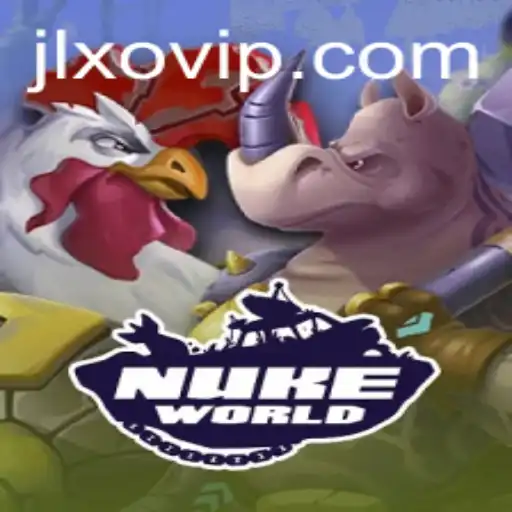
Dive into NukeWorld, a groundbreaking game that merges cutting-edge technology and innovative gameplay through the JLXO feature, offering a unique interactive experience.

Discover the adventures and gameplay of PirateQueen2, an immersive gaming experience that combines thrilling quests with strategic gameplay.

Explore Hercules: JLXO, a captivating game inspired by legendary heroics and filled with innovative gameplay. Dive into the game's world, uncover its rules, and connect with current global events in this engaging narrative.

Explore the enchanting world of Aladdin, a captivating game that blends classic tales with modern adventures, enhanced by the JLXO universe. This article covers the game's description, rules, and its thrilling introduction.
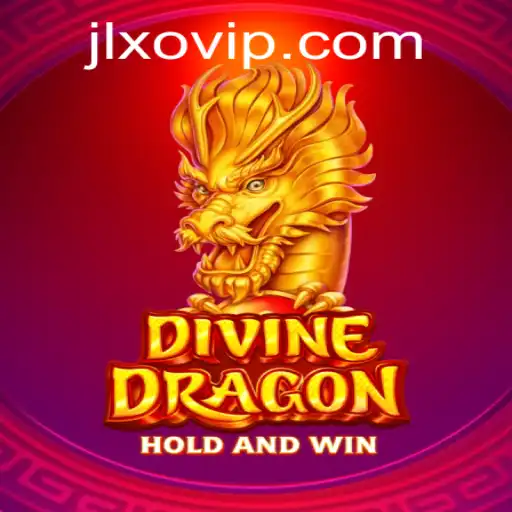
Dive into the fantastical world of DivineDragon, an innovative strategy game that mirrors our world through mythical storytelling and strategic play.

Explore the immersive world of Legendary5, a captivating adventure that blends cutting-edge gameplay with engaging storytelling. Discover its rules, features, and the impact of the JLXO phenomenon.
